Digital Kitchen Scale
Essential for cup-to-gram accuracy and repeatable bakes.
Shop scales ↗Cultured dairy product with a tangy flavour and thick consistency.
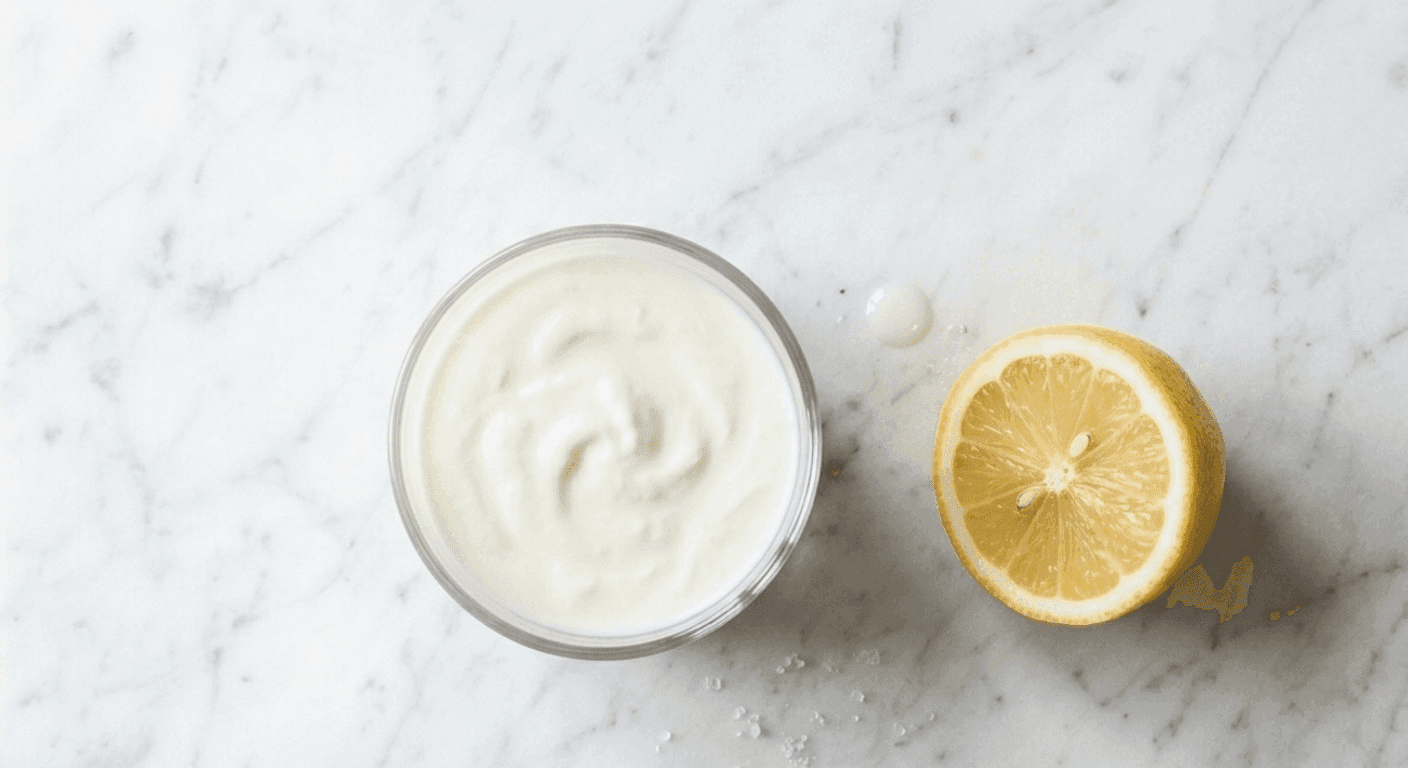
Use 1 cup milk + 1 tbsp lemon juice, let sit 5 minutes
The acid curdles the milk, mimicking buttermilk's acidity and thickness.
1 cup = 245g
Reverse the most common baking lookup.
Useful for small-batch adjustments and spoon measures.
Conversion path with proven search demand for this ingredient.
Use 1 cup milk + 1 tbsp lemon juice, let sit 5 minutes for the closest starting point.
| cups | grams |
|---|---|
| 1/4 cups | 61.0 grams |
| 1/3 cups | 81.0 grams |
| 1/2 cups | 123 grams |
| 1 cups | 245 grams |
| 1.50 cups | 368 grams |
| 2 cups | 490 grams |
| 3 cups | 735 grams |
| 4 cups | 980 grams |
Ingredient-specific, density-based conversions for baking
Optional shopping references for bakers who want to compare tools and pantry options related to buttermilk.
Essential for cup-to-gram accuracy and repeatable bakes.
Shop scales ↗Useful for quick volume checks before converting to weight.
Shop measuring sets ↗Disclosure: Some outbound links are affiliate links. As an Amazon Associate, CupOrGram earns from qualifying purchases. Learn more.
The acid curdles the milk, mimicking buttermilk's acidity and thickness.
The acid curdles the milk, mimicking buttermilk's acidity and thickness.
Same principle as lemon juice. Use white vinegar for neutral flavour.
Same principle as lemon juice. Use white vinegar for neutral flavour.
Similar acidity and tang. Thinner consistency when diluted with water.
Similar acidity and tang. Thinner consistency when diluted with water.
Refrigerate. Lasts 2-3 weeks. Freezes well for baking use.
Acidity (pH ~4.5) tenderizes gluten, activates baking soda, and creates a tender crumb. The tangy flavour enhances many baked goods.
For laminated dough: temperature and exact fat mass impact layer definition.
For creaming methods: weight keeps butter-to-sugar balance stable.
For custards: tight dairy ratios reduce curdling risk.
Baseline reference: 1 cup buttermilk = 245g. In real kitchens, a practical range is usually 230g-260g per cup (6% band).
Why this happens: temperature and fat phase (solid vs softened vs melted) change effective volume.
Figures use the US cup (236.6 ml).1 cup of buttermilk weighs 245 grams.
Milk + Lemon Juice (1 cup milk + 1 tbsp lemon juice, let sit 5 minutes), Milk + Vinegar (1 cup milk + 1 tbsp white vinegar, let sit 5 minutes), Yogurt + Water (3/4 cup yogurt + 1/4 cup water)
Cup, tablespoon, and teaspoon weights for all ingredients, sourced and cross-checked.